When a moms and dad begins to neglect names, miss out on consultations, or repeat questions, families typically float between denial and panic. The majority of adult youngsters begin by loading the voids themselves. We classify medicine packs, include a door chime, conceal the car tricks for "repair work." That can help a while. Then the gaps widen. Cooking comes to be high-risk, nights extend long, and your moms and dad, when meticulous, begins to really feel lost in familiar areas. This is the point where Memory Care stops being an abstract concept and turns into a practical path toward safety, dignity, and relief.
The expression "memory look after parents" covers a range: from specialized fly Assisted Living areas to specialized Memory Care homes with safe layouts. These programs are developed for people living with Alzheimer's illness, vascular dementia, Lewy body illness, and other conditions that impair memory and reasoning. Done well, Memory Care provides framework without removing autonomy, and companionship without surrounding. I have actually enjoyed households stumble into it unwillingly just to breathe out days later, shocked at just how quickly an enjoyed one's state of mind steadies when their setting finally matches what their mind can handle.
What makes Memory Care different from general senior care
Senior Care covers everything from independent living to skilled nursing. Memory Treatment rests inside that continuum yet operates by its very own playbook. In the beginning look, a Memory Treatment community may appear like a smaller, cozier Assisted Living floor. The distinctions emerge in the information that carry through the day: lighting, shade comparison, dish timing, activity sequencing, and team training geared for cognitive changes.
There is a style logic below. Memory loss multiplies complication set off by intricacy. A hallway lined with the same doors becomes a maze unless each area has an unique aesthetic sign. Cooking areas that keep blades and cleaning products visible are a risk. Outside yards need looped courses with a single departure to stay clear of traffic jams and panic. Lots of Memory Treatment devices make use of safeguarded borders, concealed exit doors, and motion sensors that notify personnel before someone wanders into danger.
Care plans additionally split. In standard Assisted Living, the emphasis might be medicine aid, bathing support, and transportation. In Memory Treatment, behavior patterns stand spotlight. Personnel log agitation sets off, time of sundowning, cravings variations, and responsiveness to hints. Bathing could be transferred to the morning if mid-days on a regular basis bring resistance. Activities are broken into brief, success-focused sectors rather than long blocks that overwhelm. And when a resident stands up to care, the reaction is not to press more challenging but to go back, reframe the request, and try once more in a couple of mins with a various approach.
The day-to-day rhythm that steadies the mind
People living with mental deterioration live closer to the minute than the schedule. They rely greatly on regimen. A solid Memory Treatment program makes each day foreseeable. That does not imply stiff. It implies familiar patterns, gentle transitions, and environmental hints that minimize the cognitive lots of decision-making.
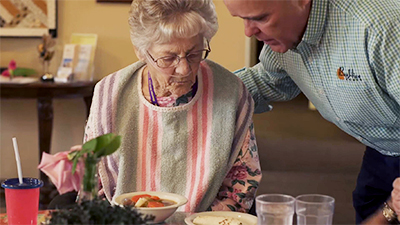
In a well-run community, early mornings start with bright, indirect light and positive cues: soft songs around 8 a.m., fresh coffee fragrances wafting from the dining-room, a smiling assistant greeting each citizen by name. Breakfast is not simply food, it is anchoring. You see cereals in clear containers, not buried in boxes, and layers that comparison with tablecloths so eggs do not aesthetically mix into white porcelain. That contrast seems insignificant till you view a resident consume much better just because they can see their food clearly.
Mid-morning may bring chair yoga, a brief walk, or hand massage therapy. The objective is never to complete a job yet to engage senses. Art projects emphasize structures and shades rather than detailed instructions. Also folding towels is purposeful work. I have seen a retired educator with mid-stage Alzheimer's light up when asked to "aid organize the classroom," an easy shelf-straightening task mounted in her long-lasting language.
The afternoon pace slows down. If a person is vulnerable to straying after lunch, personnel guide them to the garden. Hydration terminals being in plain view. Staff do not ask, "Are you thirsty?" They provide a glass and consume a sip themselves first. Designing works much better than convincing. Supper takes place earlier than in normal Assisted Living. Evening regimens start before fatigue embed in, lights lower slowly, and the soundtrack moves to calm instrumentals. This tempo lowers the possibility of the restless, upset nights that put on family members down at home.
Training that changes outcomes
I have actually visited communities where the structure looks perfect theoretically however the treatment feels off. The distinction is usually team training and society. Excellent Memory Treatment educates employees to see behavior as interaction. A resident screaming throughout a shower is not "noncompliant," they are cold, afraid, or overwhelmed by noise. The staffer trained in dementia care knows to warm up the washroom, hand the towel to the resident initially for control, narrate each action in short phrases, and keep water off the face unless the person is comfortable.
Communication ends up being an art. Personnel find out to approach from the front, make eye get in touch with, and utilize names you in fact utilize in your home. They count on motivates and choices with 2 alternatives, not open-ended concerns that disable. "Would certainly you like the blue coat or the green one?" jobs much better than "What do you wish to put on?" This method humanizes treatment rather than infantilizing it.
Medication monitoring additionally looks different. Some Memory Care programs develop solid partnerships with geriatricians and pharmacists who focus on psychotropics. The group satisfies consistently to evaluate dosages, side effects, and behavior clues. The very best programs are slow-moving to add sedatives and fast to readjust environments. If a resident starts to rate, the thoughtful service could be a walking buddy and a late treat instead of a pill.
Nutrition, hydration, and the little success at the table
Weight loss slips up in mental deterioration. Individuals neglect to eat, can not navigate utensils, or just do not sign up hunger. Memory Care kitchen areas adapt. You see finger foods that preserve self-respect for those that can not manage flatware, strengthened smoothie mixes that pack calories and protein, and versatile food selections with social favorites. I keep in mind a resident whose intake doubled when the chef started offering warm tortillas and tiny cups of bean soup at lunch. Preference memory can outlive other memory. Dishes that evoke home carry emotional power.
Hydration takes technique. Cups with lids decrease spills and anxiousness. Beverages are available in tiny sections used often. Staff do not nag; they sign up with citizens in a sip. Flavored waters and fruit popsicles push consumption without turning it right into a struggle. These small success build up. A five-pound weight gain in a month can be the difference between preserving flexibility and sliding into weakness.
Safety without sacrificing freedom
Families are afraid locks, alarm systems, and the concept of "being entraped." That concern stands. There are inadequate applications of secured care. Top quality Memory Treatment equilibriums protection with liberty. The very best designs safeguard the perimeter while creating large, open indoor areas, consisting of exterior yards, where homeowners can roam. Doors mix right into decoration so they are much less of a magnet. Pacing paths loophole back to a central lounge as opposed to dead-ending at a wall.
Inside homes, security is layered. Water temperature level regulates prevent scalding. Appliances are either eliminated or customized. Some communities established clever sensing units that notify team if a resident wakes up at 2 a.m. and does not return in a couple of mins. The intent is to intervene prior to an autumn, not to surveil for it. When team respond well, citizens work out quicker and families quit copulating their phone under the pillow.
The function of purposeful activity
Activity calendars can look active yet still misread. In Memory Care, objective outweighs novelty. You are not attempting to delight, you are trying to connect. Acquainted tasks from an individual's past work well: polishing silver for someone who ran a home with pride, arranging equipment for a retired technician, laying out hymnals for a choir participant. Songs is effective. Individuals that no longer speak in sentences can sing whole knowledgeables. Place on a large band playlist and watch position correct the alignment of, feet tap, and eyes brighten.
Therapeutic methods such as Montessori-based tasks for mental deterioration and validation treatment are not tricks. Montessori concentrates on hands-on tasks with clear actions and instant success, which minimizes aggravation. Recognition therapy meets an individual in their viewed truth rather than remedying it. If a resident requests a long-deceased partner, staff might inquire about their special day instead of urge "He passed years earlier." This lowers distress and builds depend on. Art and family pet therapy can open doors words no longer do.
Family, regret, and remaining part of the team
If you are discovering aided living for a parent, you are likely likewise duke it outing shame. Numerous adult kids hang on at home out of loyalty or a pledge made years previously. A guarantee makes good sense when memory and mobility are undamaged. Mental deterioration changes the math. Safety requires widen, and the care comes to be a 24-hour job that no bachelor can do well alone.
Good Memory Care programs welcome families as companions. They request life tales, preferred routines, and the little information that relax or joy. Bring a blanket that smells like home, label cabinets with images, and share the nickname your daddy really replies to. Keep checking out, not simply at holidays. Decrease in at different times of day to see exactly how the atmosphere feels. Rest with your parent throughout an activity, after that go back and see exactly how staff engage them without you. Gradually, you must see less frantic phone calls and even more typical updates: a picture of dad smiling over pancakes, a note that mommy enjoyed the garden club.
When Memory Care makes the largest difference
Memory Treatment is not a treatment. It is a toolkit and an area developed for an altering brain. Numerous circumstances reveal one of the most remarkable gains:
- Middle-stage dementia with expanding safety risks: straying, kitchen incidents, missed meds, and evening frustration that leaves everyone exhausted. Recurrent hospitalizations from falls, urinary system system infections, or dehydration that could be protected against with framework and monitoring. Care partner burnout where the spouse or grown-up child is physically risk-free however emotionally at the breaking point, commonly oversleeping two-hour bursts and residing on alert. Social seclusion after friends stop checking out and the parent loses the ability to strategy or initiate tasks on their own. Complex behaviors such as delusions or sundowning that respond to routine, specific communication, and environmental tweaks greater than to medication.
In each of these, the ideal atmosphere improves quality of life not simply for the person with mental deterioration but also for the entire family.
Cost, worth, and the often-missed expenditure of burnout
Memory Treatment is costly. Regional averages differ widely, from about $4,000 to $9,000 each month, occasionally much more in high-cost metro locations. That sticker shock requires context. In the house, households patch together paid caregivers, adult day programs, meal distribution, incontinence supplies, transportation, and the hidden price of shed incomes. Add the expense of safety renovations and the threat of health center stays from avoidable concerns. When you tally it honestly, Memory Care is not always extra costly. It is commonly more predictable.
Financial planning issues. Professionals' advantages, lasting care insurance coverage, and Medicaid waivers can offset expenses in some states. Ask areas to be clear concerning price frameworks. Some charge a base rate plus care degrees that climb with demands. Others use all-inclusive bundles. Ask what occurs if money goes out. Do they join Medicaid after a private-pay period? You desire quality before you move in, not a surprise notice months later.
The step itself: just how to make it gentler
Moves are hard, and mental deterioration intensifies changes. Begin the process before a dilemma if you can. Excursion at various times, talk to personnel not just marketing, and ask to observe a task quietly. Households usually choose the area that felt ideal to the individual throughout a brief go to, however a calm trip at 10 a.m. can mask a disorderly 5 p.m. routine. Try to find consistency.
On move-in day, keep the atmosphere simple. Establish the apartment beforehand with acquainted bedding, photos, and a few favored things. Avoid filling up the area with too many souvenirs at once. A quieter atmosphere helps the mind map a new area. Get here mid-morning when personnel have time to welcome. Stay enough time to see your parent settle into lunch, after that leave on a positive note also if it moves you. Expect some disturbance in the first 2 weeks. Routines require time to gel. Measure development in small steps: fewer nervous calls, a better hunger, a nap after lunch.
Questions that reveal exactly how a program really works
Here is a succinct checklist you can bring to tours to cut through the polish:
- How do you embellish daily regimens for each homeowner, and can you share examples? What dementia-specific training do personnel get initially and yearly, and who offers it? How do you take care of actions like departure seeking, sundowning, or refusal of care without excessive using sedatives? What is your staff-to-resident proportion by change, including nights and weekends, and exactly how commonly do you utilize agency staff? Can I see this afternoon's task, and may I observe silently for fifteen minutes?
The solutions matter as long as the tone. You want confident specifics, not vague assurances.
How Memory Care supports medical demands without overmedicalizing life
Memory Treatment sits in between Assisted Living and nursing homes. Several homeowners have persistent conditions that need surveillance however not constant knowledgeable nursing. The sweet place includes diabetes mellitus monitoring, high blood pressure, COPD, and wheelchair limitations. Neighborhoods coordinate checking out physicians, podiatrists, and therapists. The trick is connection. If you listen to "We call 911 for the majority of issues," that is a warning. If you hear "We have standing orders for common problems, we track vitals when behavior adjustments, and we loophole in the primary care doctor promptly," you are in safer territory.
Falls are a fact. Danger can not be eliminated unless you incapacitate someone, which would certainly erode lifestyle. Good programs avoid where possible and react quickly when needed. They train team to check orthostatic blood pressure, assess for discomfort after an event, and watch for delayed indicators of injury. They likewise look upstream. A citizen that begins falling might need a drug review, better shoes, or a vision check, not a wheelchair.
The psychological arc for families
Most families do not really feel ready, then later wish they had moved previously. The first weeks typically bring combined emotions: relief that nights are calmer, grief for the loss of the household home, and a fresh layer of shame since, virtually speaking, life gets easier. That last item shocks individuals and can really feel disloyal. It is not. When you are no more the primary caretaker, you can be the daughter or child once more. That permits much better brows through, more perseverance, and sweeter moments.
I think of a son that invested a year at home with his mom, sleeping on the couch outside her room door. After moving her into Memory Treatment, he maintained checking out every night. Rather than negotiating showers and medicines, he sat with her over tea. She hummed along to Sinatra; he informed her stories from his day. He started to laugh once more. She did also. Their partnership did not end when the treatment moved. It ultimately had area to breathe.
Assisted Living vs. dedicated Memory Care units
Many Aided Living areas offer "secured memory support." Some do it incredibly well, especially those with smaller sized, homey neighborhoods and solid staff retention. Others just lock a wing without transforming the treatment version. Committed Memory Treatment areas usually spend more deeply in training, layout, and staffing patterns, which can be essential for mid- to later-stage dementia.
Your parent's phase and profile ought to drive the choice. If they are very early stage, physically independent, and yearning social life, a standard Assisted Dealing with solid cognitive assistance classes can function. If they are vulnerable to straying, have hallucinations, or show significant judgment modifications, a Memory Treatment unit is much safer. Neighborhoods that supply an university continuum let you change smoothly as requirements progress. That continuity lowers disruption, a considerable benefit.
Measuring lifestyle past the brochure
Quality of life is not a slogan. You can see it if you recognize where to look. Watch residents' faces in the corridor. Do they look involved or parked? Pay attention during dishes. Exists discussion or clatter? Observe staff interactions. Do they utilize names, kneel to eye degree, and wait on solutions? Glimpse into a quiet edge mid-afternoon. Is a person softly reading with a resident who favors tranquility instead of corralling them into a loud game?
Data factors aid also. Inquire about hospital transfer prices, ordinary weight stability across homeowners, personnel turn over, and family complete satisfaction surveys. No program is excellent. You are looking for a pattern of focus and responsiveness. Facilities with secure leadership and reduced turnover usually offer steadier care. High company staffing, particularly on evenings, frequently correlates with rushed, impersonal care.
What to do today if you are not ready to relocate yet
Some family members intend to build capacity in your home for a bit longer. That can be affordable if safety and security is workable. Borrow from Memory Treatment playbooks. Produce an easy daily routine uploaded in the kitchen area. Minimize visual mess. Usage contrasting plates and cutlery. Lock away risks. Install motion-activated evening lights. Put favored music on at certain times. Schedule grown-up day programs twice a week to give your moms and dad structure and you remainder. Interview home care agencies that educate aides in dementia, not just individual care. If your parent stands up to helpers, present them as "close friends from church" or "the home cooking club" if that aligns with your parent's life story. Language matters.
Keep a log of altering habits, cravings, rest, and sets off. When the log reveals stable disintegration regardless of your efforts, treat that as data rather than failure. It means the setting needs to alter, not that you did something wrong.
The human core of Memory Care
Memory Care prospers when it treats the individual as more than a medical diagnosis. Your mother is not "a sundowner," she is a retired nurse that enjoyed lavender, done not like loud areas, and prepared Sunday dinners for a crowd. Your papa is not "leave seeking," he is a former mail service provider whose legs remember routes even when words falter. The most effective programs request those information and weave them right into treatment. A lavender-scented hand lotion prior to bed. A morning strolling circuit framed as "helping with deliveries." Small, personal touches turn conformity into cooperation and complication right into calm.
When households ask me whether Memory Treatment absolutely boosts quality of life, I think of those regular success. A partner who sleeps through the evening for the first time in months. A little girl who no longer fears cooking due to the fact that her papa is safe. A homeowner that hums along to a preferred track, fork in hand, consuming a passionate lunch. None of these moments would make a shiny brochure headline, yet they are the difference in between surviving the day and living it.
If you are considering aided living for a parent and questioning where Memory Care fits, begin with truthful monitoring. Look at the patterns, not the exceptions. Visit areas with your eyes tuned to the tiny communications. Ask hard inquiries with generosity. And bear in mind that picking Memory Care is not an abandonment. It is an act of adjustment, a way to match care to the individual your moms and dad is today. When setting and needs line up, quality of life does not just hold constant. It often raises, gently and accurately, in means you senior living will certainly really feel each time you walk through the door.